
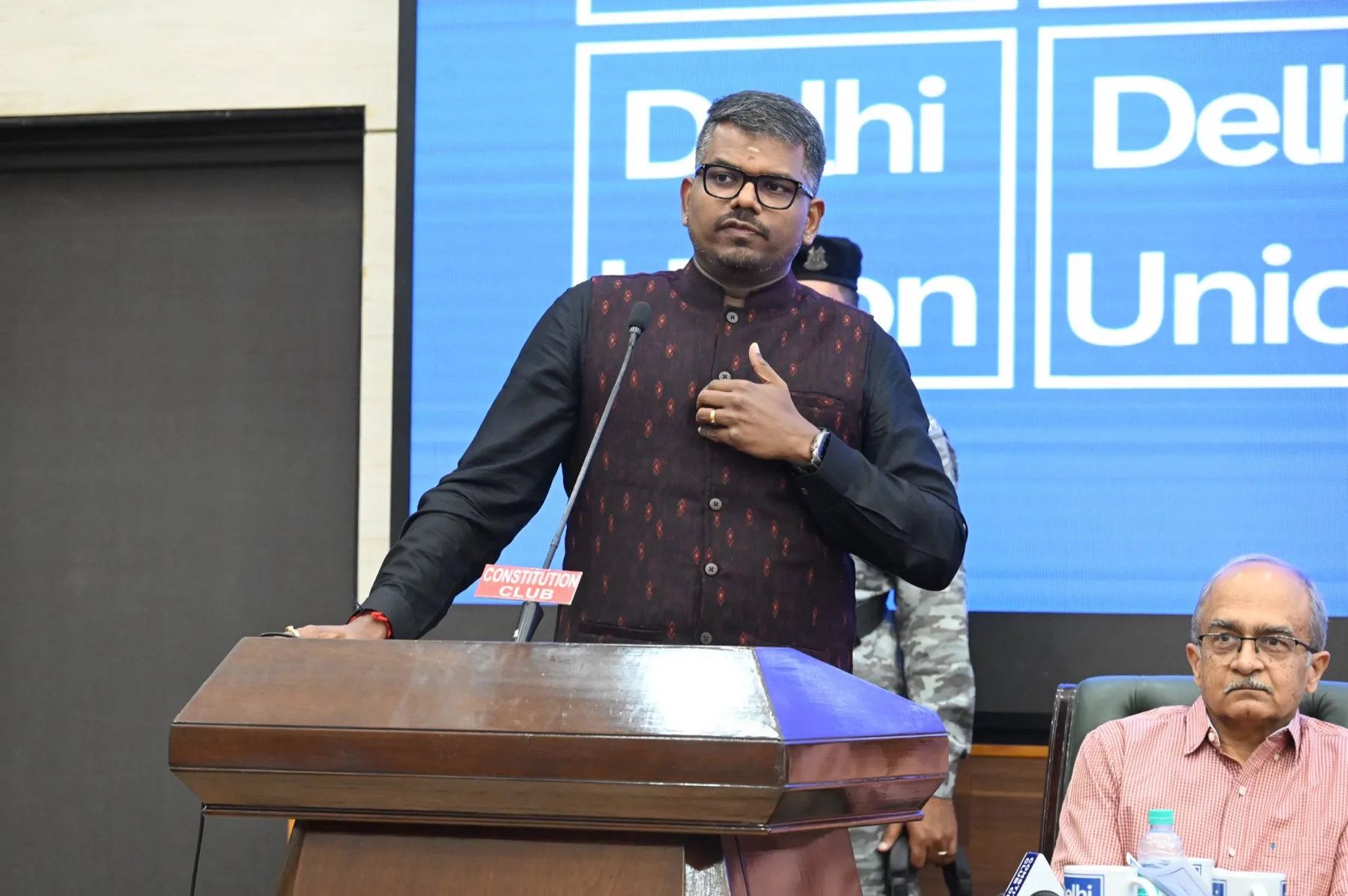
An Institution for Disagreement
The Delhi Union exists so that power, in India, has somewhere it must answer questions.
“We create a space where disagreement clarifies issues, strengthens accountability, and serves the public interest.”
Public argument in India is not scarce — it is everywhere, and it is fast. What is scarce is the slow kind: the argument that is structured, timed, answered, and judged by the people watching. The Union stages that argument. Its motions are put in the old form — “This House believes…” — because the form forces a side, and a side can be tested.
The Union takes no position of its own. Its only loyalty is to the format: two benches, one chair, a live audience, and a film of the whole thing published in full, so the record cannot be re-cut into anyone’s victory.
Counsel to
the Union
Senior figures of Indian public life — jurists, diplomats and builders — who lend the Union their judgment, and hold it to its own standard.
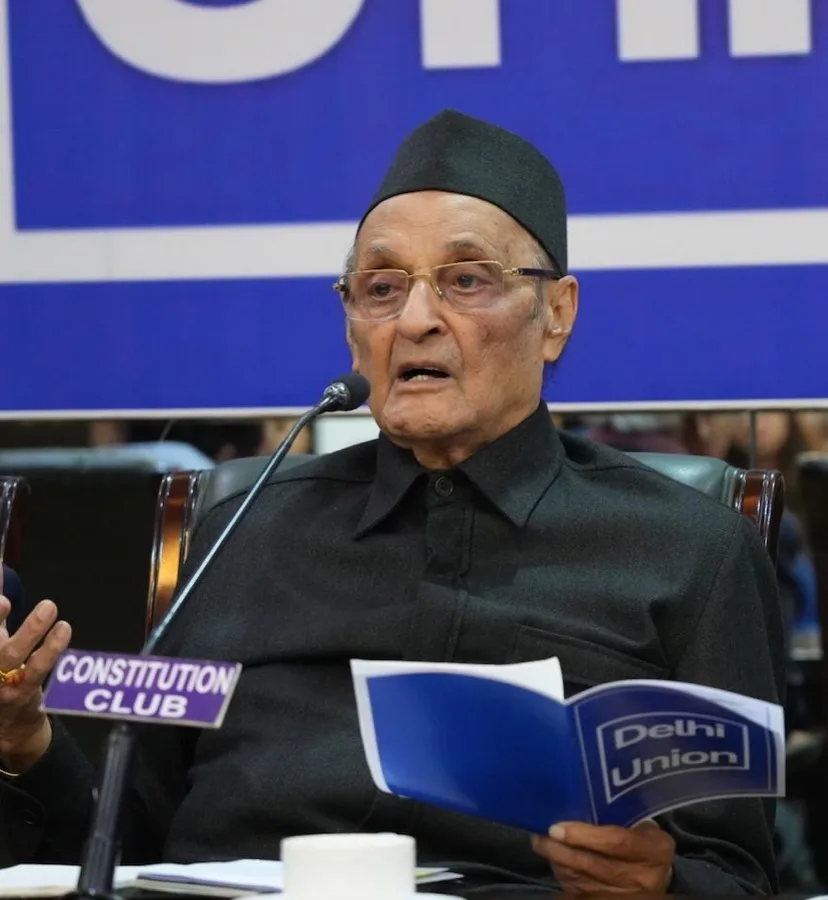
Statesman, scholar and public intellectual — former Union minister, Ambassador of India to the United States, and Chancellor of Jawaharlal Nehru University. As First Chairman, he presided over the Union’s inaugural sitting.
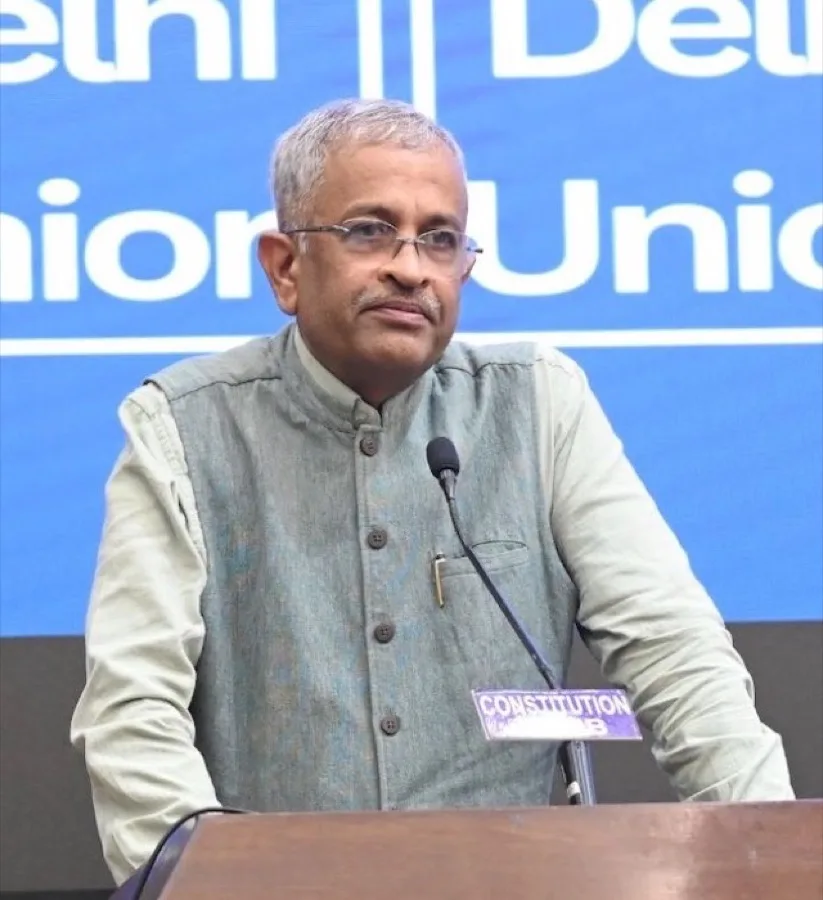
Senior Advocate, Supreme Court of India
One of India’s most recognised constitutional lawyers, who has argued landmark civil-liberties matters before the Supreme Court.
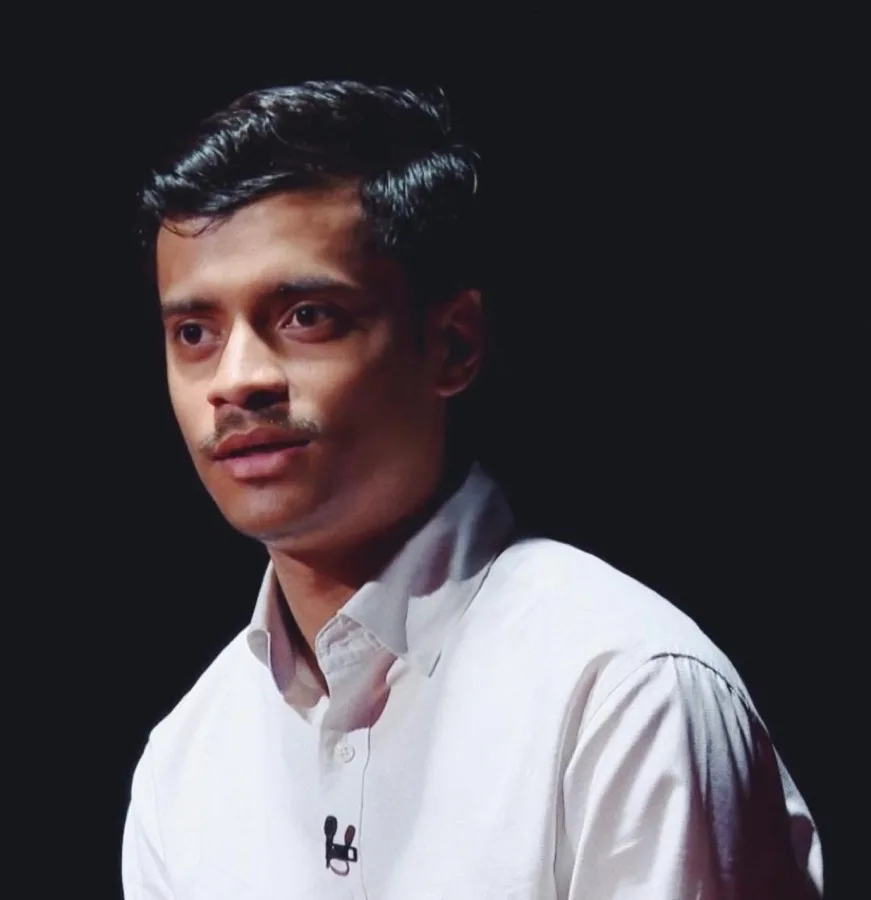
Puneet Nayak
Leadership Office, India Today Group
Part of the leadership office at the India Today Group, working on AI, media innovation and strategic projects. He has previously worked across public policy, industry and community-focused organisations, contributing to research, programme development and public engagement.
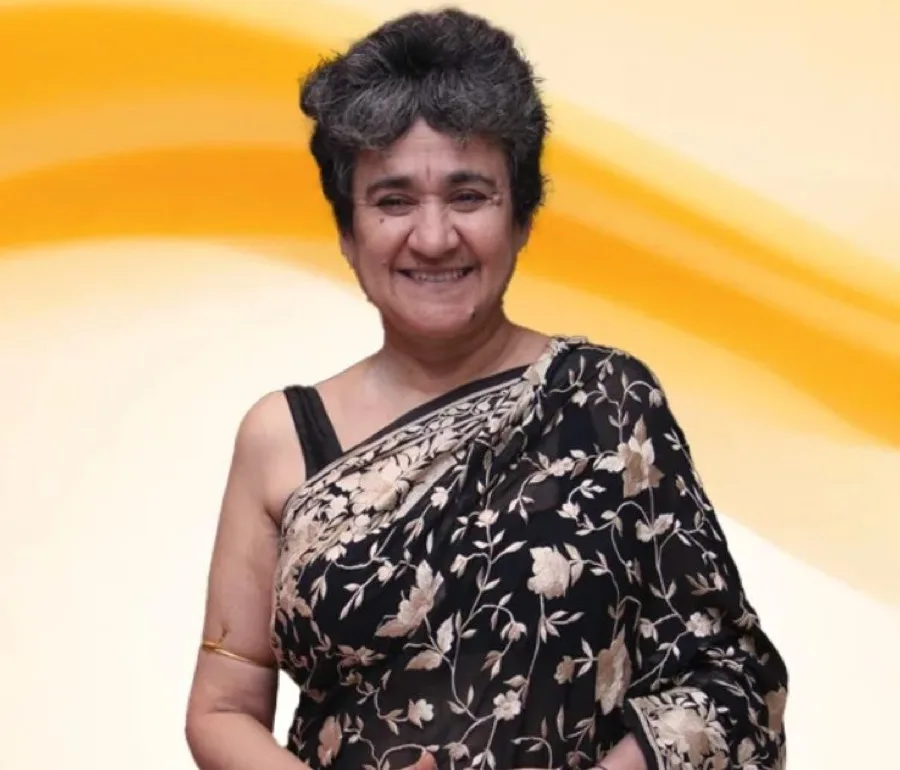
Mrs. Ratan Kaul
Founder President, Public Diplomacy Forum
A fixture of Delhi’s diplomatic and civic life — founder of the Public Diplomacy Forum and its International Women’s Day Awards, and Festival Director of the Inkpot India Conclave.
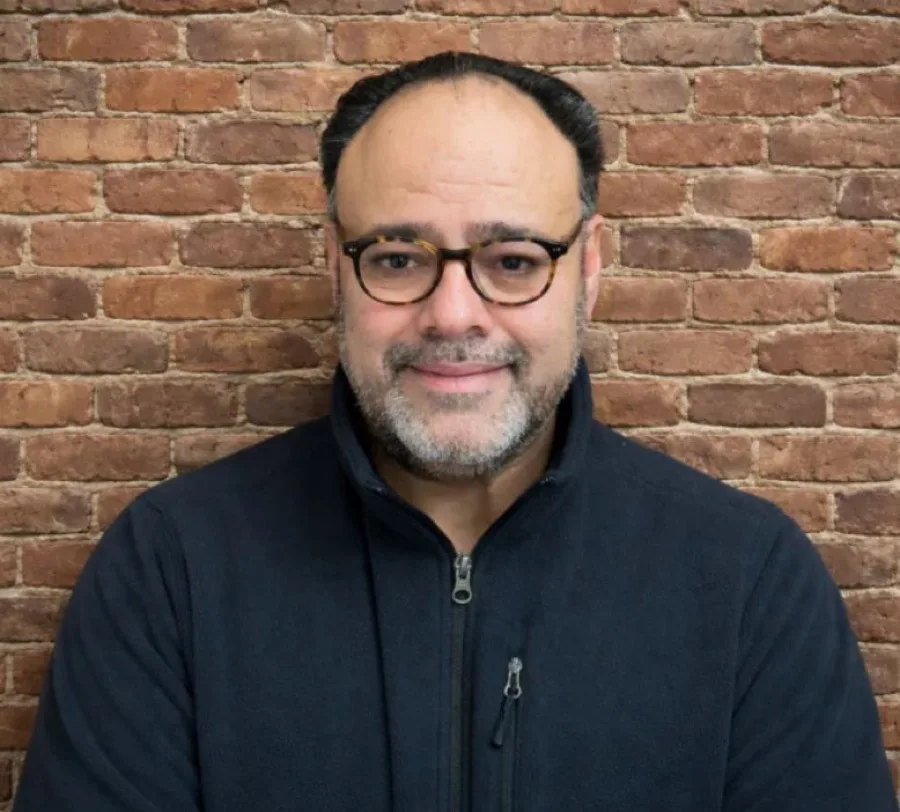
Harjiv Singh
Founder & CEO, CambrianEdge.ai
A serial entrepreneur of twenty-five years across technology, finance and communications. He founded Gutenberg, the global marketing firm, and BrainGain Global; his AI-native platform CambrianEdge.ai was launched in Britain at the House of Lords.
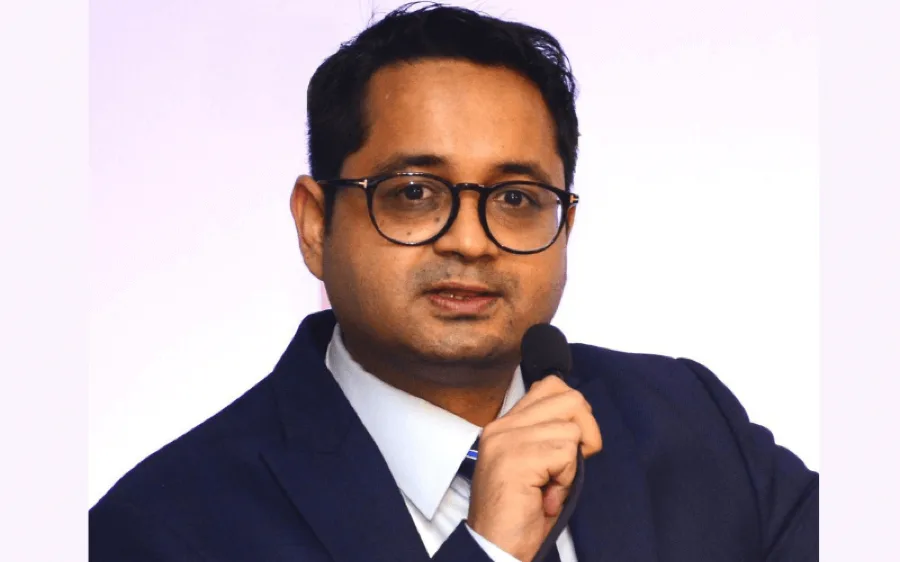
Senior Advocate, Supreme Court of India
Senior Advocate of the Supreme Court and Delhi High Court, and Managing Partner of Gaggar & Partners.
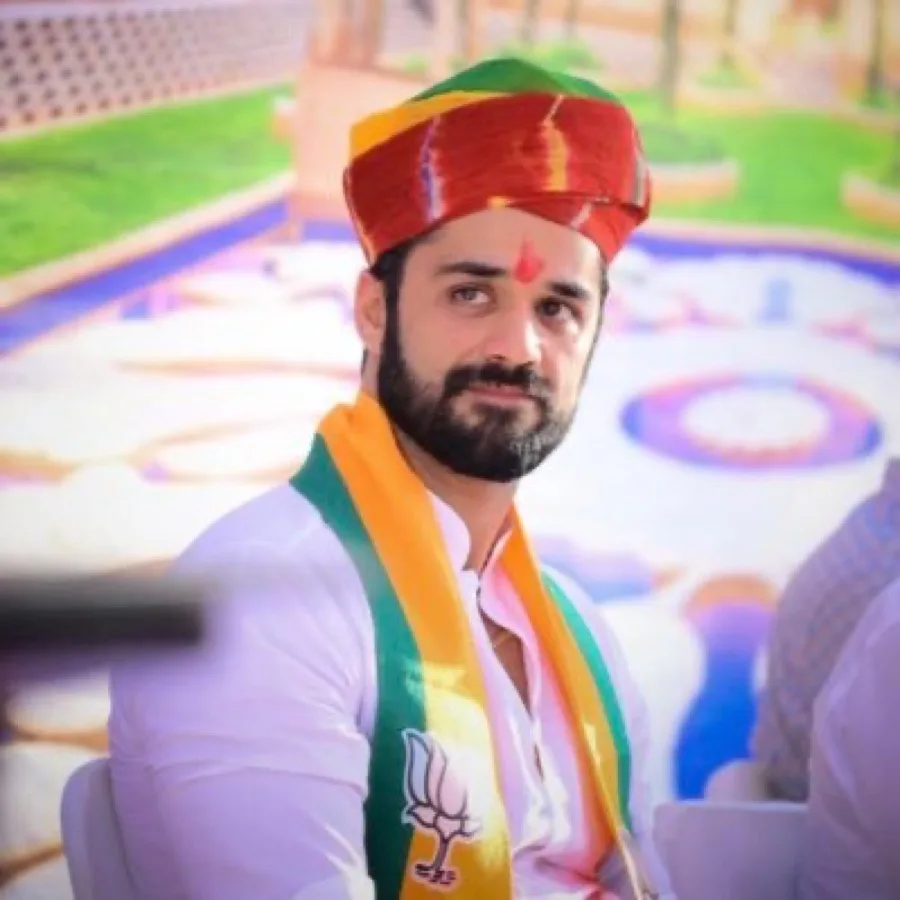
Bhavya Bishnoi
Vice President, Haryana BJP
A young leader from Haryana, recently appointed Vice President of the state BJP — a former MLA from Adampur and former president of the party's youth wing in Haryana, who has built his profile around youth engagement, public policy and grassroots outreach. Educated at the London School of Economics and Oxford, with further study at the Harvard Kennedy School, he founded the Bhajan Global Impact Foundation.
How a Sitting Works
The Motion
A single proposition, published in advance. Speakers are invited to defend or oppose it — never to “discuss” it.
The Benches
Proposition and opposition face each other across the aisle, speaking in alternation under the chair’s clock.
The Floor
When the benches finish, the House takes over. Questions come from the audience, unscreened.
The Record
Every sitting is filmed and published in full on the Union’s channel. The record is the institution.
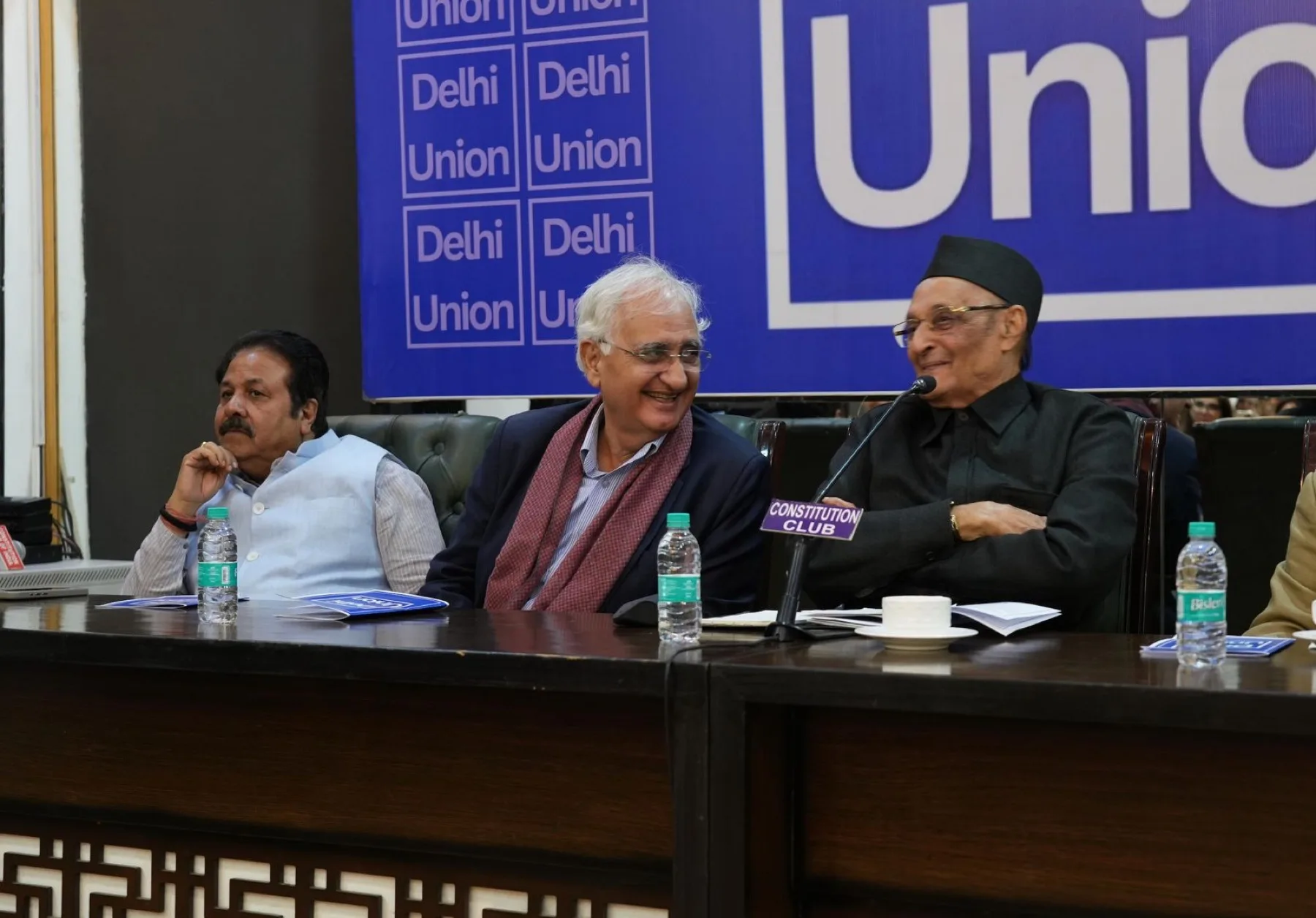
The Union sits at the Constitution Club of India, New Delhi.
“Delhi Union holds debate on legislative interference in judicial appointments.” — SCC Times